0 Contact

Scaled Agile (SAFe) Consulting Services

Most SAFe implementations don't fail because the framework is wrong. They fail because the people running the implementation don't have enough pattern recognition to see the problems coming — and don't know which ones to address first.

Em Campbell-Pretty and Adrienne Wilson are SAFe Fellows, SPCTs, and the authors of The ART of Avoiding a Train Wreck — the book on what goes wrong in SAFe implementations and how to prevent it. Their role in every engagement is to build your organisation's capability to run SAFe without them. The result is an implementation that holds after the consultants leave — because the people inside the organisation know what they're doing and why.

They have been implementing SAFe in Australian enterprises since 2014, across telecommunications, banking, financial services, insurance, government, education, aerospace, and software.

Led by SAFe Fellows who are also SPCTs.

How Pretty Agile works

Every engagement starts with understanding your context — where you are, what's already been tried, and what's actually constraining you. From there, Pretty Agile designs a structured engagement with a defined scope, clear deliverables, and an explicit exit that leaves your organisation stronger.

This is not capacity augmentation. Pretty Agile does not place consultants in ongoing team roles. Every engagement is scoped to achieve a specific outcome and transfer the capability to sustain it.

Organisations typically engage Pretty Agile at one of three points in their SAFe journey:

Starting SAFe — value stream identification, ART design, launch preparation, and the training sequence that sets the first ART up to succeed. See Launch an Agile Release Train.

Extending SAFe — connecting the portfolio to the ARTs, implementing Lean Portfolio Management, launching additional ARTs, or expanding to large solution delivery. See Adopt Lean Portfolio Management.

Improving SAFe — deepening role capability, improving flow, addressing the patterns that have developed since launch, or resetting an ART that needs to be rebuilt from a stronger foundation. See Improve Your SAFe Implementation.

What a consulting engagement involves

The activities that matter most depend entirely on where the implementation is stuck. Pretty Agile will work with your leadership team to identify the right scope and sequence before any work begins. A typical engagement draws from some combination of:

Assessment and diagnosis

  • SAFe Business Agility Assessment
  • Value stream mapping and flow analysis
  • Role readiness assessment
  • ART health check

Implementation consulting

  • Value Stream and ART Identification
  • ART design and launch preparation
  • Portfolio governance design
  • Lean Budget Guardrails and funding model design
  • Epic definition and portfolio backlog development

Facilitation

  • PI Planning facilitation
  • Inspect and Adapt facilitation
  • Portfolio Sync and Strategic Portfolio Review facilitation
  • Participatory Budgeting facilitation

Coaching

  • RTE and Product Management coaching
  • Scrum Master and team coaching
  • Leadership coaching through the first phase of implementation
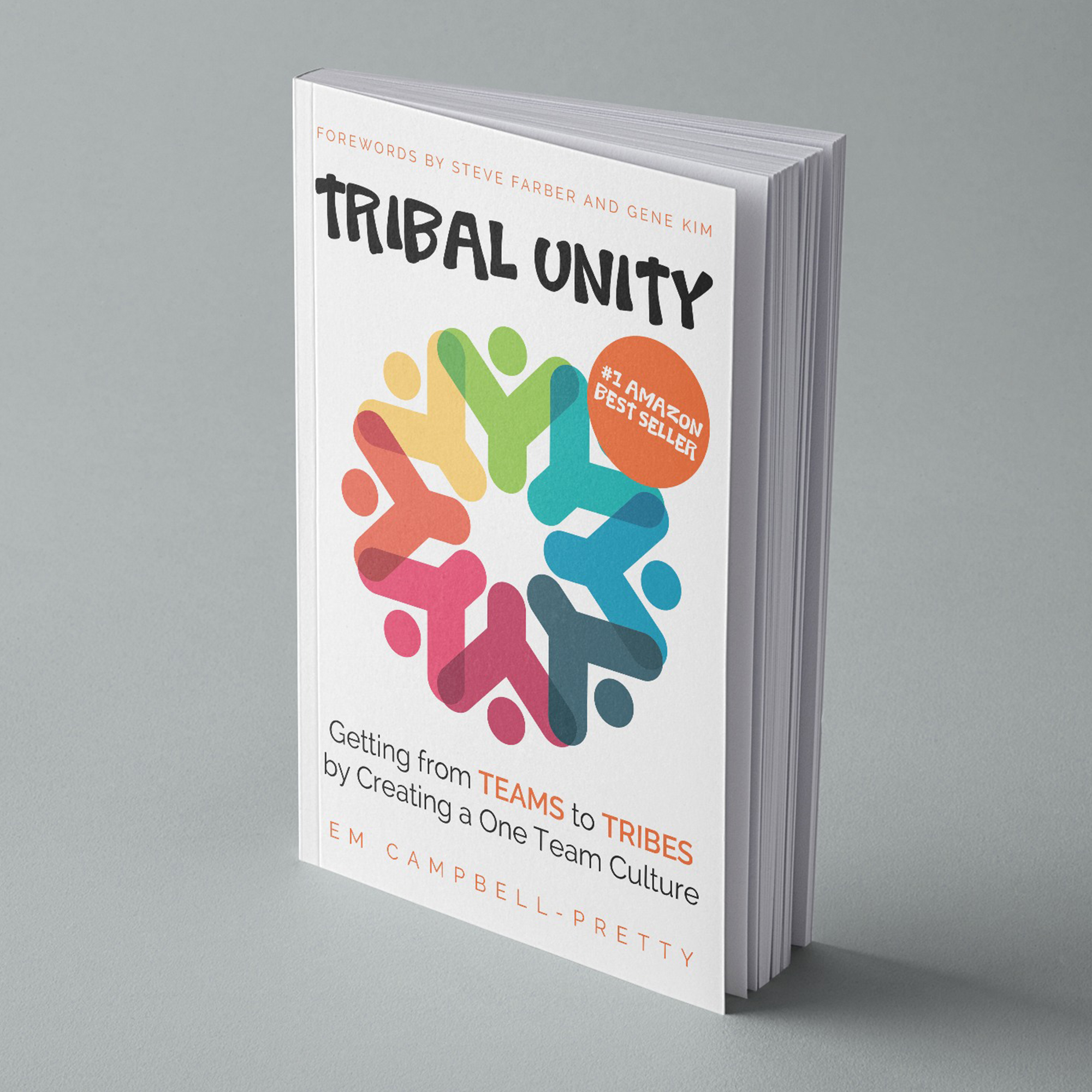
Tribal Unity book by Em Campbell-Pretty

A Culture First Approach to SAFe®

SAFe implementations that hold share a common pattern: the organisations running them treated culture as implementation work, not as a soft extra that would sort itself out once the process was in place. The organisations whose implementations stalled treated it the other way around.

Tribal Unity by Em Campbell-Pretty makes the practical case for a Culture First approach to SAFe. The book draws on years of implementation experience to show how respect for people — built deliberately into the structure of every workshop, every launch, every PI — produces both better business results and stronger employee engagement. It is the foundation on which every Pretty Agile engagement is built.

"Every aspiring Lean-agile enterprise can be no better than the culture that evolves to support it."

Dean Leffingwell, Creator of the Scaled Agile Framework
Why it matters who runs your SAFe implementation

The difference between a SAFe implementation that holds and one that doesn't is almost never the framework. It's the quality of the decisions made in the first six months — which value streams to launch, how to sequence the training, how to handle the leadership dynamics, what to compromise on and what not to.

Those decisions require pattern recognition that comes from doing this work repeatedly, in different organisations, over many years. Pretty Agile has been doing this work since 2014.

  • SAFe Fellows who are also SPCTs
  • Authors of Tribal Unity and The ART of Avoiding a Train Wreck
  • Australia's most experienced Scaled Agile Partner
  • Trained 14,500+ people in SAFe since 2014
  • Scaled Agile Platinum SPCT Partner
  • 100% Australian owned and operated

Ready to discuss your SAFe implementation?

Tell us where you are, what you've already tried, and what's constraining you. We'll help you identify the right scope and sequence for your context — and give you a clear picture of what a structured engagement would involve before any commitment is made.

Frequently asked questions

Pretty Agile designs structured engagements with a defined scope and an explicit exit. The goal of every engagement is to build the client's capability to run SAFe without ongoing external support. Pretty Agile does not place consultants in ongoing team roles or provide capacity augmentation. Every engagement has a clear deliverable and a handover.

Pretty Agile has worked with organisations ranging from small software companies with a single ART to large globally distributed enterprises with multiple portfolios and solution trains, across telecommunications, banking, financial services, insurance, government, education, aerospace, and software. The engagement model scales to the organisation's context.

No. Pretty Agile can help organisations assess whether SAFe is the right framework for their context before any commitment to implementation. An initial diagnostic conversation costs nothing and helps both parties understand whether there is a genuine fit.

The initial phase — from value stream identification through to the first PI Planning event — typically takes four to six months for a single ART. The consulting support that follows depends on the organisation's readiness and the complexity of the implementation. Pretty Agile will provide a realistic timeline estimate at the start of each engagement based on the specific context.

Yes — and this is often the preferred model. Pretty Agile's role is to bring the pattern recognition and facilitation capability for the highest-stakes moments in the implementation, while internal practitioners build their capability alongside. The explicit goal is to make internal capability stronger, not to create dependency on external support.

Pretty Agile is a Scaled Agile Platinum SPCT Partner — the highest partner tier — and has trained over 14,500 practitioners since 2014. Em Campbell-Pretty and Adrienne Wilson are SAFe Fellows, one of fewer than 50 globally, and the authors of Tribal Unity and The ART of Avoiding a Train Wreck. Unlike consulting models that place practitioners in ongoing team roles, Pretty Agile designs structured engagements with a defined scope and an explicit exit.

SAFe training gives practitioners a shared model, language, and certification. SAFe consulting is the work of applying that model to your organisation's specific context — designing the value streams, sequencing the launch, handling the leadership dynamics, and making the governance decisions that training alone cannot address. Most organisations need both: training builds the foundation; consulting ensures the implementation is sequenced correctly and the hardest decisions are made well.